RETHINKING 3D AS A PROCESS-DOCUMENT
12th August, 2010
There was a time when the only way to document and control the construction of a building was to use pens or pencils and a straight edge to draw a set of two-dimensional construction drawings. These hand-drafted 2D diagrams used a combination of plans, sections, and elevations, along with a standard set of symbols, notes and details, and were drawn from the skill and experience of senior production architects and draftspersons.
2D is 2D
Later, a generation of early adopters competed in an aggressive market using computers and 2D CAD software. They laboriously clicked and dragged electronic lines across low resolution monitors, maintaining layers and page references with antiquated key commands and menus.
The results of this semi-opaque production were proudly presented as ink-plotted sets of drawings using the very same 2D diagrams and symbols once drawn by their T-squared ancestors — often finished off with a mixture of last minute hand drafting.
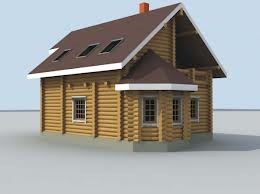
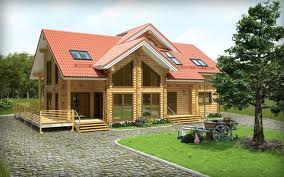
Today, many offices are moving toward the painstaking constructions of three-dimensional building information models called BIMs. Technicians spend hundreds of hours using thousands of dialog boxes and context menus to build detailed 3D models, with no idea of how to actually build the buildings they are building.
No matter, once 2D scenes are extracted from these BIM models, they are meticulously annotated so the software can “automatically” generate a set of (supposedly) conflict free two-dimensional drawings.
But again, even the laser plotted results are pretty close to the same 2D diagrams once drafted by hand. Nothing is gained except for the cost of their production.
Ironic isn’t it
The irony of course is that no matter what the technology we use, the industry wide result continues to be reduced to the same set of 2D drawings. In fact, the best design technicians are the ones that can actually simulate traditional construction drawings by minimizing computer generated debris and focus output on relevant construction information.
In the end, computer mediated drafting is a lot like using an automobile to pull a horse-drawn carriage. Somehow, we’ve missed the real value of this new technology.
We’re using the computer to calculate and plot the position of lines in memory, rather than using its power to document and communicate the detailed processes embedded in the configuration of those lines. And it’s the process that must be documented and controlled.
|