Google SketchUp: An introduction
12th August, 2010
Across the architecture, engineering and construction (AEC) industries, online forums help keep the pulse of those engaged in building things -- and these days you would be hard-pressed to find a forum that doesn't have at least one thread devoted to Google SketchUp.
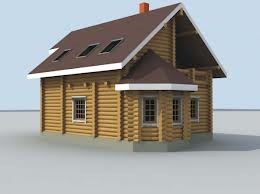
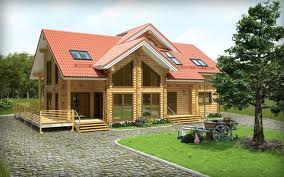
According to Google, SketchUp is software used to create, share and present 3-D models. Besides being used by contractors of all kinds, the program is also attracting architects, design firms and engineers. One of the major reasons that someone would consider using SketchUp in a construction environment would be to effectively show how finished things will look. The realism of the 3-D models created in SketchUp brings projects to life for potential clients, and it helps to establish a better understanding of a client's needs. Perhaps one of the most compelling things about Google SketchUp is that the standard edition is free.
The range of uses includes creating floor plans, 3-D models of exteriors and interiors and computerized versions of hand-sketched designs. SketchUp allows you to create a 3-D walk-through of rooms so as part of a client, or team presentation, you can change the materials and components in real time. For those who have to make decisions regarding these types of attributes, they can immediately see the results of substituting one material or one component for another.
Google SketchUp can also be used to create as-built drawings that not only reflect the actual construction that really took place, but later can be used for future remodeling scenarios. By using the program in conjunction with Google Earth, those in landscaping, as well as alternative energy installation planning, can do real-time shadow research, allowing them to see the resulting changes in light intensity on a structure or planting, as the sun moves through the sky over a particular plot of land. The same ability comes in handy for those who are involved in urban planning and design.
At pushpullbar, an architecture and design forum, one building designer says he finds increasingly himself using Google SketchUp specifically for interiors because the 3-D models are clearer than 2-D drawings. SketchUp can make it readily apparent that one surface is flush with another; it can also show various design elements go together like in the placement of accent tiles within a field of tiles. He notes these models are not just for clients but in particular are a great help to the people who are doing the building, like subcontractors. Often in a standard 2-D CAD drawing, these types of details are "called out" in written form and are not always as clear as a 3-D model makes them.
Sometimes, too, extremely tight details can be challenging to comprehend in 2-D with only notes to go by. So the 3-D models that are created in SketchUp help people to grasp just how things go together much more quickly.
|